
The rupee witnessed a volatile trading session and settled for the day on a slightly lower note, down 1 paisa at 90.66 against the US dollar on Monday, as traders assessed the details of the India-US interim trade framework.
The rupee plunged 38 paise to close at an all-time low of 90.32 against the US dollar on Thursday amid uncertainty over the India-US trade deal. Forex traders said the rupee is expected to trade with a negative bias as the delay in the trade deal between India and the US may continue to dent investor confidence.
Despite volume growth in the export segment and strong demand in the domestic market, pricing uptick is eluding Indian agrochemical companies.
In Central India, the standing soybean and pulses crops have also been hit but the loss isn't massive as the showers were followed by relatively bright sunshine that helped absorb soil moisture

Apart from the human body, human food will bear direct repercussions. From staples such as wheat, to coffee, dairy, and even the great Hilsa face the threat of reduced supply due to the extreme heat.

The method is based on a network analysis of regional weather data.

Prime Minister Narendra Modi on Tuesday launched 35 crop varieties with special traits -- developed by the Indian Council of Agricultural Research (ICAR) -- to address the twin challenges of climate change and malnutrition. The new crop varieties were dedicated to the nation through a video conference organised at all ICAR institutes, state and central agricultural universities and Krishi Vighyan Kendra. According to the PMO, 35 crop varieties with special traits like climate resilience and higher nutrient-content have been developed in 2021.
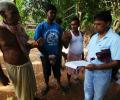
The farmers of Khentia are now working in tandem with the IIT team.

The prices of oilseed, coarse cereals & vegetables could also be affected.

As India looks to mend its Covid-battered economy, one thing that will grab the attention of all concerned is the path that both wholesale and retail inflation will follow. Even the Reserve Bank of India in its latest policy statement said, "Going forward, the inflation trajectory is likely to be shaped by uncertainties impinging on the upside and the downside.

'Any new technology, either before or soon after its release, will face severe criticism by one or the other segment of society. It is only after seeing the benefits of new technology for themselves that our farmers accept it.' 'The arable land in India is not increasing and currently hovers at around 140, 145 million hectares.' 'Today, Indian agriculture has to work towards achieving nutritional security.'

We are surrounded by food that is contaminated, adulterated and does not meet Indian safety and packaging standards, says Abheet Singh Sethi/IndiaSpend.com.

A delayed monsoon and abundant cotton in the international market could spell trouble in the state's suicide zone.
 © 2026 Rediff.com - Advertise with us - Disclaimer - Privacy Policy - Sitemap - Feedback - About us - Terms of use - Grievances